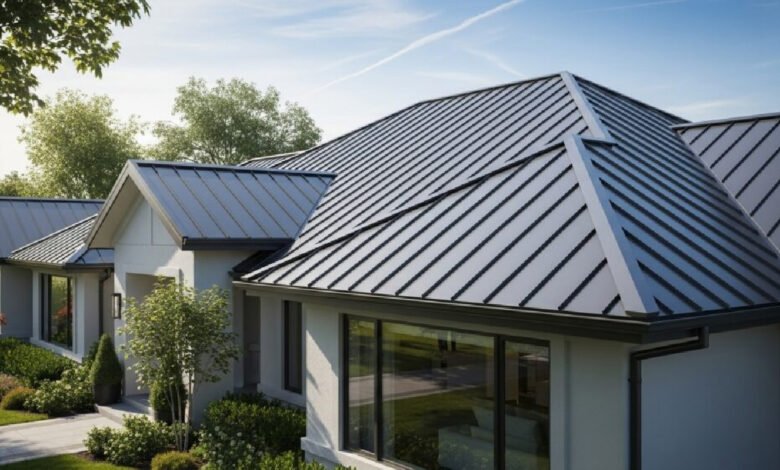
Acryldach is a modern roofing solution made from high-quality acrylic sheets designed to provide protection while allowing natural light to pass through. The word comes from two parts: “Acryl,” referring to acrylic material, and “Dach,” the German word for roof. Together, it simply means “acrylic roof.”
In recent years, Acryldach has become increasingly popular because people want roofing systems that are lightweight, durable, energy-efficient, and visually appealing. Traditional roofing materials like metal, tiles, or glass often block natural light or require heavy structural support. Acryldach solves these problems by combining strength with transparency.
This article explains everything about Acryldach, including its materials, types, advantages, disadvantages, installation, maintenance, cost, and future trends. Understanding Acryldach is important in modern construction because today’s buildings focus on sustainability, natural lighting, and long-term value.
What Is Acryldach?
Acryldach is a roofing system made from acrylic sheets, primarily composed of Polymethyl Methacrylate (PMMA). It is designed to protect structures from the weather while allowing high levels of daylight to enter.
The core material, PMMA, is a transparent thermoplastic known for its clarity, strength, and resistance to UV radiation. Acrylic roofing differs from traditional roofing because it is lightweight, does not rust, does not rot, and allows natural light transmission.
Key characteristics include high transparency (up to 92% light transmission), weather resistance, durability, low maintenance needs, and design flexibility. Acryldach is commonly used by homeowners, architects, contractors, commercial developers, greenhouse owners, and public infrastructure planners.
History and Development of Acrylic Roofing
PMMA was first developed in the early 20th century as a lightweight and clear alternative to glass. Over time, manufacturers improved their strength and UV resistance, making it suitable for outdoor use.
Acrylic materials were first used in windows, aircraft canopies, and safety shields before being introduced into architecture. As roofing technology evolved, builders started using acrylic sheets for skylights and transparent roof panels.
Modern innovations now include UV-stabilized panels, anti-scratch coatings, multi-wall insulation systems, and heat-reflective layers, making Acryldach more advanced and reliable than ever before.
Material Composition of Acryldach
PMMA (Polymethyl Methacrylate) is a synthetic polymer made from methyl methacrylate monomers. Its chemical structure creates a rigid, clear plastic with strong molecular bonds.
Acrylic sheets are manufactured through casting or extrusion processes. In casting, liquid acrylic is poured into molds. In extrusion, melted acrylic is pushed through a die to form sheets.
To improve durability, manufacturers add UV stabilizers that protect against sunlight damage. Modern Acryldach panels may also include anti-scratch coatings, anti-fog layers, and heat-reflective surfaces for better performance.
Physical and Mechanical Properties of Acryldach
Acryldach panels allow up to 92% of visible light to pass through, making them one of the clearest roofing materials available.
They offer good impact resistance, stronger than glass but slightly weaker than polycarbonate. Flexural strength allows panels to bend slightly without breaking.
Surface hardness provides moderate scratch resistance. However, care is needed to avoid damage. Acrylic expands and contracts with temperature changes, so thermal expansion must be considered during installation.
Most panels meet specific fire resistance classifications depending on thickness and treatment.
Types of Acryldach Systems
Solid acrylic sheets are flat, rigid panels offering maximum clarity and a modern look.
Corrugated acrylic sheets have a wave-like shape that increases strength and improves water drainage.
Multi-wall (twin-wall) panels contain internal air chambers that improve insulation while maintaining light flow.
Frosted acrylic roofing provides privacy while diffusing light.
Tinted acrylic panels reduce glare and heat buildup.
Colored acrylic roofing offers aesthetic customization.
Liquid acrylic roof coatings are applied to flat roofs to create seamless waterproof layers.
Acryldach vs Other Roofing Materials
It is often compared with other roofing materials:
| Material | Light Transmission | Weight | Durability | Maintenance | Cost Level |
|---|---|---|---|---|---|
| Acryldach | Excellent | Lightweight | High | Low | Medium-High |
| Glass | Excellent | Heavy | Fragile | High | High |
| Polycarbonate | Good | Lightweight | Very High | Medium | Medium |
| Metal | None | Medium-Heavy | Very High | Medium | Medium |
| PVC Sheets | Moderate | Lightweight | Medium | Medium | Low |
| Traditional Tiles | None | Heavy | High | Medium | Medium |
Acryldach offers a balance of clarity, strength, and value.
Key Advantages of Acryldach
Acryldach provides excellent natural light transmission, reducing electricity use during the day.
Its lightweight structure reduces building load and simplifies installation.
It resists rain, snow, wind, and UV exposure.
UV coatings protect people, furniture, and plants underneath.
It offers design flexibility in color, shape, and finish.
Maintenance is simple and low-cost.
It has a long lifespan of 15–30 years.
supports energy efficiency.
It does not corrode like metal.
It adapts to modern architectural designs.
Disadvantages and Limitations of Acryldach
Acrylic surfaces can scratch if cleaned improperly.
Initial cost may be higher than basic roofing sheets.
Thermal expansion requires careful installation.
Impact resistance is lower than that of polycarbonate.
Single-sheet panels provide limited insulation compared to multi-wall systems.
Common Applications of Acryldach
Residential Applications
Used in patio covers, balcony roofing, pergolas, carports, garden shelters, sunrooms, and skylights to provide protection and daylight.
Commercial Applications
Installed in shopping centers, office entrances, walkways, cafés, restaurants, and parking structures for weather protection and brightness.
Industrial Applications
Used in warehouses, factories, and industrial skylights to reduce lighting costs.
Public Infrastructure
Common in bus stops, railway platforms, stadium roofs, and swimming pool covers.
Agricultural Uses
Widely used in greenhouses, botanical gardens, and conservatories for plant growth support.
Installation Process of Acryldach
Installation begins with accurate measurements and thickness selection. A strong support structure made of aluminum or treated wood is prepared.
Sheets are cut using fine-tooth blades. Space must be left for thermal expansion.
Panels are fastened using stainless steel screws and rubber washers.
Joints are sealed with compatible sealants. Waterproofing ensures leak protection.
Final inspection ensures proper alignment and sealing.
Professional Installation vs DIY
DIY is suitable for small projects like patio covers.
Improper installation can cause cracks or leaks.
Professional installers ensure compliance with building codes and structural safety.
Professional work may cost more initially, but it reduces long-term risks.
Maintenance and Cleaning Guide
Clean every 3–4 months using mild soap and water.
Avoid abrasive cloths and harsh chemicals.
Prevent scratches by using soft sponges.
Inspect seals and fasteners seasonally.
UV coatings can be restored using protective sprays.
Minor scratches can be polished; cracks may require repair kits.
Lifespan of Acryldach Roofing
Average lifespan ranges from 15 to 30 years.
Durability depends on material quality, climate, thickness, and maintenance.
Hot climates require UV-resistant panels.
Proper maintenance significantly extends service life.
Energy Efficiency and Environmental Benefits
Acryldach reduces artificial lighting needs.
Reflective coatings help control heat.
Its long lifespan reduces material waste.
Acrylic can be recycled in specialized facilities.
Lower energy use reduces carbon footprint.
Weather Resistance and Climate Performance
Performs well in heavy rain with proper slope.
Multi-wall panels support snow loads.
Secure fastening ensures wind resistance.
Moderate hail resistance is provided.
Suitable for hot and cold climates with proper design.
Resistant to humidity and coastal conditions.
Design Flexibility and Architectural Integration
Allows curved and flat designs.
Supports modern transparent structures.
Available in various colors and transparency levels.
Works with aluminum or wooden frames.
Frameless systems create sleek architectural looks.
Cost of Acryldach Roofing
Price per square meter varies by thickness and type.
Multi-wall panels cost more than solid sheets.
Installation costs depend on project size.
Maintenance costs are low.
Long-term savings improve ROI.
Safety and Certification Standards
Panels meet fire resistance standards based on local codes.
Impact testing ensures durability.
Building code compliance is essential.
Safety glazing standards may apply.
Manufacturers provide warranties for performance.
Common Problems and Practical Solutions
Scratches can be polished.
Water pooling requires proper slope design.
Condensation is reduced with ventilation.
Yellowing is prevented with UV-stabilized panels.
Rain noise can be minimized with insulation.
Seal failures require resealing.
Innovations and Future Trends in Acryldach Technology
Smart roof systems integrate sensors.
Solar-compatible panels support renewable energy.
Improved insulation increases energy savings.
Advanced anti-scratch coatings extend durability.
Eco-optimized manufacturing reduces environmental impact.
How to Choose the Right Acryldach for Your Project
Determine project purpose first.
Choose the correct thickness based on load.
Select transparency for comfort and privacy.
Consider climate conditions.
Plan the budget carefully.
Buy from certified suppliers.
Buying Guide for Acryldach Panels
Check panel clarity and UV certification.
Look for warranty coverage.
Verify supplier reputation.
Compare online and local options.
Ensure panels meet building regulations.
Final Thoughts
Acryldach combines light transmission, durability, and modern design in one roofing solution. It is ideal for homeowners, architects, and commercial developers seeking long-term value.
With proper installation and maintenance, Acryldach provides decades of performance. As sustainable construction continues to grow, transparent and energy-efficient roofing systems like Acryldach will play a key role in the future of architecture.
FAQs
1. What is Acryldach?
Acryldach is a roofing system made from acrylic sheets (PMMA) that allows natural sunlight to pass through while protecting against rain, wind, and UV rays. It is lightweight, durable, and commonly used for patios, carports, skylights, greenhouses, and commercial buildings.
2. How long does an Acryldach roof last?
An Acryldach roof typically lasts 15 to 30 years with proper installation and regular maintenance. High-quality UV-protected panels can last even longer depending on climate conditions and thickness.
3. Is Acryldach better than glass roofing?
Yes, in many cases Acryldach is better than glass roofing. It is lighter, more impact-resistant, safer, and easier to install. While both allow strong light transmission, Acryldach is less likely to break and requires less structural support.
4. Does Acryldach turn yellow over time?
High-quality Acryldach panels contain UV stabilizers that prevent yellowing and discoloration. Cheap or low-grade acrylic sheets may fade over time, but certified panels maintain their clarity for many years.
5. Where is Acryldach commonly used?
Acryldach is widely used in:
-
Patio covers
-
Balconies
-
Pergolas
-
Carports
-
Greenhouses
-
Shopping centers
-
Walkways
-
Industrial skylights
It is popular because it provides protection while keeping spaces bright and energy-efficient.