What Is Adenoidid?
Have you noticed your child snoring loudly at night, breathing through their mouth most of the time, or waking up tired despite sleeping for many hours? These signs are often brushed off as “just a cold” or “normal childhood behavior,” but in many cases, they are linked to a condition called adenoidid. Adenoidid is a term commonly used to describe inflammation, infection, or enlargement of the adenoids, small but important tissues that play a major role in a child’s immune system.
When adenoids become swollen or inflamed, they can block normal airflow, disturb sleep, affect speech, and even weaken overall immunity. Although adenoidid is most common in children, it can also affect teenagers and adults in certain situations.
Understanding this condition is crucial because early recognition can prevent long-term problems related to breathing, hearing, learning, and development. In this detailed article, you will learn what adenoidid is, why it happens, how it shows up in daily life, how doctors diagnose it, the full range of treatment options including surgery, and how parents can prevent and manage it effectively.
What Are Adenoids and What Is Adenoidid?
Where Are Adenoids Located?
Adenoids are small masses of lymphatic tissue located high in the throat, behind the nose, at the back of the nasal cavity. They sit near the roof of the mouth, in an area called the nasopharynx, where the nose connects to the throat. Unlike tonsils, which you can see when you open your mouth, adenoids are hidden and cannot be seen without special medical instruments such as a nasal endoscope or imaging studies. Because of their hidden location, adenoid problems often go unnoticed until symptoms become obvious and start interfering with breathing, sleep, or ear health.
Adenoids’ Function in the Immune System
Adenoids are part of the body’s lymphatic and immune system and are especially active during early childhood. Their main job is to act as filters, trapping bacteria, viruses, and other harmful particles that enter the body through the nose and mouth. By capturing these germs, adenoids help prevent infections from spreading deeper into the lungs or bloodstream. They also assist the immune system by helping produce antibodies and supporting immune memory, which teaches the body how to recognize and fight infections in the future. This is why adenoids tend to be larger in young children and gradually shrink as the immune system matures.
Defining Adenoidid
Adenoidid is a general term used to describe problems related to the adenoids, most commonly their inflammation, infection, or abnormal enlargement. It includes adenoiditis, which refers to infection and inflammation of the adenoids, and adenoid hypertrophy, which refers to enlarged adenoids that may not be infected but still cause obstruction. In both cases, swollen adenoids can block airflow through the nose, interfere with ear drainage, and create a wide range of health issues if not managed properly.
Common Causes of Adenoidid
Frequent Upper Respiratory Infections
One of the most common causes of adenoidid is repeated upper respiratory infections. Children are often exposed to viruses and bacteria at school, daycare, or playgrounds, and each infection triggers an immune response. The adenoids swell as they fight germs, and in some children, they remain enlarged even after the infection clears. Frequent colds, flu, throat infections, and bacterial illnesses such as strep throat can all contribute to chronic adenoid swelling.
Allergies and Environmental Irritants
Allergies play a major role in adenoidid. Constant exposure to allergens like dust mites, pollen, mold, or pet dander can cause ongoing inflammation in the nasal passages and throat, leading to enlarged adenoids. Environmental irritants such as air pollution and secondhand cigarette smoke further irritate sensitive tissues and increase the risk of chronic swelling. Children living in polluted areas or homes with smokers are at a higher risk of developing persistent adenoid problems.
Genetic and Anatomical Factors
Some children are naturally more prone to adenoidid due to genetics or anatomy. A family history of enlarged adenoids, narrow nasal passages, or frequent ENT (ear, nose, and throat) issues can increase the likelihood of this condition. Structural differences in the face or airway may also make it easier for swollen adenoids to block airflow.
Microbiome Imbalance
The body’s microbiome—the balance of healthy bacteria in the gut and airways—also plays a role in inflammation and immune response. Poor diet, frequent antibiotic use, and lack of beneficial bacteria can disrupt this balance, making infections more frequent and inflammation more severe. This imbalance can contribute to chronic adenoidid, especially in young children.
Signs and Symptoms of Adenoidid in Children
Respiratory and Nasal Symptoms
One of the earliest and most noticeable signs of adenoidid in children is persistent nasal blockage. A child may sound constantly congested, even when they do not have a cold. Because airflow through the nose is blocked, many children begin breathing through their mouth, both during the day and at night. This can lead to dry mouth, bad breath, and increased susceptibility to throat infections.
Sleep-Related Symptoms
Sleep problems are a major red flag for adenoidid. Enlarged adenoids can narrow or block the airway, leading to loud snoring, restless sleep, and, in some cases, obstructive sleep apnea, where breathing briefly stops during sleep. Poor sleep quality can cause daytime fatigue, irritability, difficulty concentrating, and behavioral issues that may affect school performance and social development.
Ear and Throat Complications
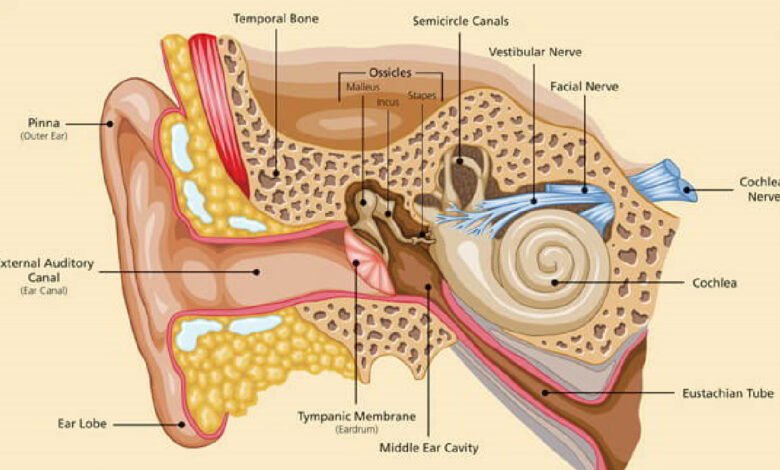
Adenoids sit close to the Eustachian tubes, which help drain fluid from the middle ear. When adenoids are enlarged, they can block these tubes, causing fluid buildup behind the eardrum. This leads to frequent ear infections, hearing problems, and a feeling of fullness or pain in the ears. Children may also complain of sore throats or discomfort when swallowing.
Behavioral and Developmental Impact
Chronic sleep disruption and hearing problems caused by adenoidid hypertrophy can affect a child’s development. Some children show delayed speech, nasal-sounding speech, or learning difficulties due to poor sleep and reduced hearing clarity. Over time, these issues can impact confidence and academic progress if not addressed.
Symptoms of Adenoidid in Teens and Adults
Persistent Nasal Congestion
Although adenoidid is most common in children, teens, and adults can experience symptoms if the adenoids do not shrink or become chronically inflamed. Persistent nasal congestion that does not improve with standard cold or allergy treatments is a common complaint and is often mistaken for sinusitis.
Postnasal Drip and Throat Clearing
Many older patients experience postnasal drip, a sensation of mucus running down the back of the throat. This can cause frequent throat clearing, coughing, and a constant feeling of blockage or irritation, especially in the morning or during allergy seasons.
Sleep and Energy Issues
Chronic nasal obstruction from adenoidid can lead to poor sleep quality, morning headaches, daytime fatigue, and reduced energy levels. Because these symptoms develop gradually, many adults do not realize the underlying cause is related to adenoids.
How Is Adenoidid Diagnosed?
Physical Exam and Medical History
Diagnosis usually begins with a detailed medical history and physical examination. Doctors ask about snoring, sleep quality, breathing patterns, ear infections, allergies, and mouth breathing. These clues help determine whether adenoidid may be the cause of symptoms.
Nasal Endoscopy or Imaging
Because adenoids are hidden, ENT specialists may use a small flexible camera called a nasal endoscope to view them directly. In some cases, X-rays or CT scans are used to assess the size of the adenoids and how much they block the airway.
Sleep Studies (Polysomnography)
If sleep apnea is suspected, a sleep study may be recommended. This test monitors breathing, oxygen levels, and sleep patterns overnight to assess the severity of airway obstruction caused by adenoidid.
Treatment Options for Adenoidid
Observation and Monitoring
Mild cases of adenoidid may resolve on their own, especially as children grow older and adenoids naturally shrink. Doctors may recommend monitoring symptoms before starting treatment.
Medical Treatment
When treatment is needed, options include antibiotics for bacterial infections, nasal corticosteroid sprays to reduce inflammation, and antihistamines or decongestants for allergy-related swelling. These treatments aim to reduce symptoms and improve airflow.
Home Remedies
Supportive care such as saline nasal rinses, humidifier use, proper hydration, and adequate rest can help ease symptoms and support recovery, especially in mild cases.
When Is Adenoid Surgery (Adenoidectomy) Necessary?
Indications for Surgery
Surgery may be recommended when adenoidid causes obstructive sleep apnea, frequent ear or sinus infections, or persistent nasal obstruction that does not respond to medical treatment.
How the Surgery Works
An adenoidectomy is usually an outpatient procedure performed under general anesthesia. The adenoids are removed through the mouth, and most children recover within about one week.
Risks and Complications
Complications are rare but may include bleeding, infection, or temporary voice changes. In most cases, benefits far outweigh the risks.
Recovery After Adenoidectomy
What to Expect
After surgery, children may experience a sore throat, mild pain, and nasal discharge for a few days. These symptoms usually improve quickly.
At-Home Care Tips
Soft foods, rest, prescribed pain relievers, and plenty of fluids help ensure smooth recovery. Keeping the child hydrated is especially important.
When to Call the Doctor
Parents should contact a doctor if there is a high fever, heavy bleeding, or difficulty breathing after surgery.
Coping Strategies for Children with Adenoidid
Emotional Support and Routine
Explaining the condition in simple terms and maintaining calming routines helps reduce anxiety and stress in children.
Physical Comfort
Elevating the head during sleep and using humidifiers or saline sprays can improve comfort and breathing.
Distraction Techniques
Low-energy activities such as reading, drawing, and quiet games help keep children comfortable while they recover or manage symptoms.
Prevention and Long-Term Management
Reduce Exposure to Allergens and Irritants
Keeping bedding clean, using air filters, and avoiding smoke can significantly reduce inflammation and flare-ups.
Boost Immunity
Good hygiene, regular handwashing, and healthy outdoor play strengthen the immune system and reduce infections.
Regular Medical Checkups
Children with recurring symptoms should have regular ENT checkups to catch problems early.
The Role of Diet, Lifestyle, and the Microbiome
Immune-Boosting Nutrition
A diet rich in fruits, vegetables, and omega-3 fatty acids supports immune health and reduces inflammation.
Hydration and Mucosal Health
Adequate fluid intake keeps nasal and throat tissues moist, reducing irritation.
Microbiome Support
Limiting unnecessary antibiotics and including probiotic and prebiotic foods supports a healthy immune balance.
Long-Term Outlook and Complications if Left Untreated
Potential Long-Term Issues
Untreated adenoidid can lead to speech delays, hearing loss, dental problems, and chronic infections.
Prognosis After Treatment
With proper treatment, most children recover fully and experience significant improvements in breathing, sleep, and overall quality of life.
When to See a Doctor
Red Flag Symptoms
Persistent snoring, mouth breathing, hearing issues, or speech delays should not be ignored.
Urgent Signs
High fever, breathing difficulty, or choking during sleep require immediate medical attention.
Conclusion
Adenoidid may involve small tissues, but its impact on a child’s health can be significant. Early diagnosis, proper treatment, and supportive care can prevent long-term complications and greatly improve quality of life. While small, adenoids have a big job—don’t ignore their signals.
FAQs
What is adenoidid in simple words?
Adenoidid refers to the swelling or infection of the adenoids, which are small glands behind the nose. These glands help fight infections in children, but can block airflow when they get too big.
What are the main symptoms of adenoidid?
The most common symptoms of adenoidid include:
-
Snoring at night
-
Breathing through the mouth
-
Blocked nose
-
Frequent ear infections
-
Tiredness during the day
These signs often appear in children and can affect sleep and hearing.
What causes adenoids to become swollen or infected?
Adenoids often swell due to frequent colds, allergies, or bacteria. Repeated infections, air pollution, or family history can also make adenoidid more likely.
How is adenoidid treated in children?
Doctors may suggest:
-
Watching symptoms if they’re mild
-
Antibiotics for infection
-
Nasal sprays for swelling
-
Surgery (called adenoidectomy) if the child has constant breathing or ear problems
Is surgery the only solution for adenoidid?
No, surgery is not always needed. Many children improve with medicine or as they grow older. But if adenoidid causes sleep issues or constant infections, a doctor may recommend removing the adenoids.