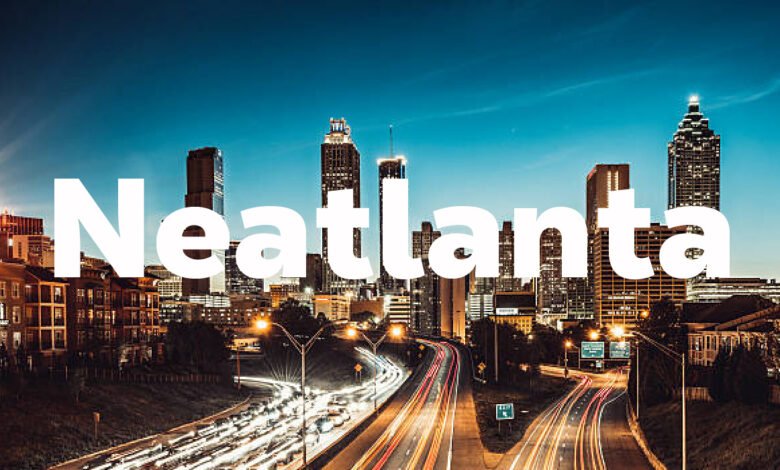
Neatlanta is a modern concept used to describe the evolving urban identity of Atlanta, where culture, innovation, sustainability, and the creative economy come together to shape a vibrant city experience. It reflects how technology, urban design, and community values are transforming Atlanta into a forward-thinking metropolitan hub. Although widely discussed in digital media and urban conversations, Neatlanta is not an official city name but a cultural and urban idea used to describe Atlanta’s modern transformation.
Neatlanta is a contemporary term that represents Atlanta’s growing identity as a city defined by creativity, innovation, sustainable development, and community-focused urban living.
Introduction
Cities around the world constantly evolve as populations grow, technology advances, and cultural movements reshape urban life. In recent years, a new concept known as Neatlanta has emerged to describe the changing identity of Atlanta. Rather than representing a specific district or official program, Neatlanta reflects a broader idea about how the city is transforming into a modern urban environment that blends culture, innovation, and sustainability.
Urban concepts like Neatlanta often appear when communities begin to rethink how cities should function in the modern world. As technology becomes deeply integrated into daily life, cities are increasingly viewed not only as places to live but also as ecosystems that support smart infrastructure, digital connectivity, and sustainable development. Atlanta’s rapid growth, combined with its strong cultural influence, has made it a prime example of this transformation.
Over the past decade, Atlanta has expanded beyond its traditional image to become a hub for startups, creative industries, and technological innovation. The city’s expanding smart city initiatives, vibrant urban culture, and commitment to sustainable development have attracted attention from entrepreneurs, artists, and urban planners around the world. As these developments continue, people searching online are increasingly curious about terms like Neatlanta that attempt to capture the spirit of this evolving city.
This article explores the concept of Neatlanta in detail. It explains its meaning, origins, and cultural significance while examining how urban development, economic innovation, neighborhoods, and future planning all contribute to the growing idea behind Neatlanta.
The Meaning and Concept Behind Neatlanta
The word Neatlanta combines two simple elements: “Neat” and “Atlanta.” While the name may appear casual at first glance, it represents a deeper idea about modern urban transformation. In many discussions, the term is used to symbolize a more progressive vision of Atlanta where creativity, sustainability, community engagement, and innovation define the city’s identity.
Neatlanta is not meant to describe a physical location or administrative region. Instead, it represents a mindset about how Atlanta continues to grow and redefine itself in a rapidly changing world. The concept reflects the idea that cities are living systems shaped by culture, people, technology, and economic development.
Cultural Identity
One of the most important elements behind Neatlanta is cultural identity. Atlanta has long been known for its music, art, and historical significance, and these cultural forces continue to shape the city today. Through murals, festivals, music scenes, and local storytelling, residents contribute to an evolving identity that feels authentic and community driven.
Urban Lifestyle Concept
Neatlanta also represents a modern urban lifestyle. Walkable neighborhoods, mixed-use developments, and vibrant community spaces create environments where residents can live, work, and socialize in connected ways. The concept highlights how thoughtful city planning can create environments that support both creativity and economic opportunity.
Why Neat lanta Is Trending in Google Searches
The rise of the keyword Neatlanta in online searches reflects growing curiosity about Atlanta’s evolving urban identity. Many people who encounter the term initially wonder what it actually means. Because it is not an official city name or organization, the keyword often generates questions about whether Neatlanta refers to a specific place, a brand, or a broader cultural idea.
Search behavior shows that users are exploring several possible interpretations. Some believe Neatlanta might describe Northeast Atlanta, while others think it could represent a marketing brand, urban development project, or smart city initiative. In reality, the term is more flexible and symbolic than these interpretations suggest.
Interest in Neatlanta also connects to broader digital trends. In the era of online storytelling and city branding, communities increasingly create unique keywords that capture the personality of a place. These terms help writers, bloggers, and researchers explore new ways of describing urban life.
Another reason for the keyword’s growth is the global discussion around urban innovation and smart city planning. As cities invest in technology, sustainability, and community development, new language naturally emerges to describe these changes. Neatlanta fits into this pattern because it expresses a modern vision of Atlanta as a city shaped by creativity, technology, and forward-thinking design.
The Urban Transformation of Atlanta
Atlanta has experienced remarkable transformation over the past few decades. Once primarily known for its role in American history and its strong transportation network, the city has developed into a dynamic economic and cultural center. This transformation is one of the main reasons why the concept of Neatlanta resonates with so many observers.
The city’s technology sector has expanded significantly, with new startups, research institutions, and innovation hubs emerging across the metropolitan area. Major corporations and technology companies have established offices in Atlanta, creating job opportunities and encouraging entrepreneurial growth.
At the same time, Atlanta’s creative industries continue to flourish. Music, film production, digital media, and visual arts contribute to a cultural landscape that attracts artists and creative professionals from across the country. This combination of technology and creativity helps define the modern character that Neatlanta seeks to represent.
Population growth has also played an important role in reshaping the city. As more people move to Atlanta for work, education, and lifestyle opportunities, urban planners are rethinking how neighborhoods develop. Redevelopment projects, public parks, and new transportation initiatives demonstrate the city’s effort to balance expansion with quality of life.
Together, these factors show how Atlanta successfully combines history, innovation, culture, and entrepreneurship, making it a powerful example of modern urban transformation.
Neat lanta as a Smart City Concept
The idea of Neatlanta often overlaps with the concept of a smart city, where technology improves efficiency, sustainability, and quality of life for residents. Smart cities rely on digital infrastructure and data analysis to manage transportation, utilities, and public services more effectively.
In Atlanta, several initiatives reflect this approach. Smart infrastructure systems monitor traffic patterns and adjust signals to reduce congestion. Data-driven planning tools help city officials make informed decisions about development and transportation.
Digital governance also plays an important role. Public services increasingly use online platforms that allow residents to access city information, report issues, or participate in civic discussions. These digital tools make local government more accessible and responsive.
Connected public services are another important component. Modern transportation systems, energy networks, and communication infrastructure allow cities to operate more efficiently. When combined with data analysis and artificial intelligence, these systems help improve safety, reduce waste, and optimize resource use.
Through these innovations, technology becomes a tool that supports daily life rather than complicating it. In this sense, the Neatlanta concept reflects how modern cities integrate digital systems to create more livable environments.
Urban Development and Infrastructure in Neatlanta
Urban development plays a major role in shaping the vision behind Neatlanta. Modern city planning focuses on creating environments where residential, commercial, and recreational spaces coexist in balanced ways. Mixed-use development allows neighborhoods to support a variety of activities within a single area.
Pedestrian-friendly neighborhoods are becoming increasingly important in modern planning strategies. Walkable streets encourage healthier lifestyles while reducing traffic congestion and environmental impact. Public transit systems also support these efforts by connecting neighborhoods with major business and cultural districts.
Urban regeneration projects demonstrate how older areas can be revitalized through thoughtful redevelopment. Instead of replacing existing neighborhoods entirely, planners often restore historic buildings and repurpose unused spaces. This approach preserves cultural heritage while encouraging economic activity.
Green public spaces are another key component of urban infrastructure. Parks, walking trails, and community gardens create opportunities for relaxation and social interaction. These spaces also improve air quality and contribute to environmental sustainability.
Together, these planning strategies illustrate how modern infrastructure supports both economic growth and community well-being within the Neatlanta vision.
Sustainability and Green Living in Neatlanta
Environmental sustainability is a central element of the Neatlanta concept. As cities continue to grow, responsible planning is necessary to ensure that development does not harm the environment or reduce quality of life for future generations.
Green architecture is one way cities address this challenge. Energy-efficient buildings use advanced materials, insulation systems, and renewable energy sources to reduce electricity consumption. Solar panels, green roofs, and smart climate control systems help buildings operate more sustainably.
Public transportation also contributes to environmental goals. By encouraging residents to use buses, trains, and shared mobility options, cities can reduce traffic congestion and lower carbon emissions. This approach improves air quality while making transportation more accessible.
Urban tree canopy programs further support sustainability. Trees help regulate temperature, absorb carbon dioxide, and provide shade for pedestrians. Expanding green spaces across the city creates healthier environments for both people and wildlife.
Climate resilience planning is another important aspect of sustainable development. By preparing infrastructure for extreme weather conditions and long-term climate changes, cities can protect communities and maintain stability.
Through these strategies, Neatlanta reflects a vision where economic growth and environmental responsibility work together.
Arts, Music, and Culture in Neatlanta
Culture remains one of the strongest forces shaping Atlanta’s identity. The city has long been recognized for its contributions to music, film, and artistic expression, and these cultural influences play an important role in the Neatlanta concept.
Atlanta’s music industry has produced internationally recognized artists across genres including hip-hop, R&B, and pop. Recording studios, performance venues, and creative collectives support an ecosystem where emerging musicians can develop their talents. This musical heritage contributes to Atlanta’s reputation as a global cultural center.
Street art and murals also shape the visual identity of many neighborhoods. Public art projects transform ordinary streets into creative spaces that celebrate local history and community stories. These works often become landmarks that attract visitors and inspire cultural dialogue.
The city’s growing film industry has also increased its cultural impact. Major film productions and television series frequently choose Atlanta as a filming location, bringing international attention to the city while supporting local jobs.
Cultural festivals, art galleries, and creative districts provide opportunities for residents and visitors to engage with Atlanta’s artistic community. Together, these cultural activities strengthen urban identity while contributing to tourism and economic development.
Neatlanta’s Creative Economy and Innovation Scene
The creative economy plays a vital role in shaping modern cities, and Atlanta provides a strong example of how creativity and innovation can drive economic growth. The Neatlanta concept highlights this dynamic environment where technology, entrepreneurship, and artistic expression intersect.
Atlanta’s startup ecosystem has expanded significantly in recent years. Technology companies focusing on financial technology, digital media, and artificial intelligence have established strong foundations within the city. These businesses create jobs while encouraging research and innovation.
Co-working spaces have become popular environments where entrepreneurs, freelancers, and small businesses collaborate. These flexible workplaces provide access to resources, mentorship, and networking opportunities that help new ventures grow.
Digital entrepreneurship also contributes to the city’s economic landscape. Content creators, designers, developers, and marketers use online platforms to build businesses that reach global audiences. This digital activity strengthens Atlanta’s reputation as a center for innovation.
Investors are increasingly attracted to cities with strong creative economies. By supporting startups, technology companies, and creative industries, Atlanta continues to attract talent and investment that reinforce the broader vision represented by Neatlanta.
Community Engagement and Inclusive Growth
A key principle behind the Neatlanta idea is the importance of inclusive growth. Cities thrive when development benefits all residents rather than only a small group. Community engagement plays an essential role in achieving this goal.
Participatory urban planning allows residents to share their perspectives about how neighborhoods should develop. Public meetings, digital surveys, and community workshops give citizens opportunities to influence decisions that affect their daily lives.
Supporting local businesses is another important strategy for inclusive development. Small shops, restaurants, and creative studios contribute to neighborhood identity while providing employment opportunities. Programs that assist minority-owned businesses help ensure that economic growth remains accessible.
Community-led development initiatives also encourage residents to take active roles in improving their neighborhoods. From organizing cultural events to developing local markets, these initiatives strengthen social connections and civic pride.
Through these collaborative efforts, the Neatlanta vision emphasizes growth that respects diversity, community identity, and shared prosperity.
Key Neighborhoods Representing the Neatlanta Vision
Several Atlanta neighborhoods illustrate the principles associated with the Neatlanta concept. Each district contributes its own cultural and economic character while reflecting the broader transformation of the city.
Old Fourth Ward is known for its blend of historic preservation and modern development. Former industrial areas have been transformed into parks, restaurants, and creative spaces, attracting residents and visitors alike.
Castleberry Hill serves as one of Atlanta’s most recognizable arts districts. Galleries, studios, and performance spaces create an environment where artists can showcase their work and connect with the community.
West End represents a neighborhood with deep historical roots and growing revitalization efforts. Community organizations and local entrepreneurs continue to restore buildings while promoting cultural heritage.
Sweet Auburn holds a special place in Atlanta’s history, particularly due to its role in the civil rights movement. Today, the district balances preservation with modern development, creating opportunities for cultural tourism and business growth.
Together, these neighborhoods demonstrate how diverse communities contribute to the broader Neatlanta vision.
Technology and Digital Infrastructure in Neatlanta
Digital infrastructure forms the backbone of modern city development. In the context of Neatlanta, technology supports efficient services, economic growth, and improved quality of life for residents.
Artificial intelligence and data analytics help city planners analyze transportation patterns and infrastructure needs. These tools allow officials to design more effective road networks and public transit systems.
Smart transportation systems improve mobility by providing real-time information about traffic conditions and transit schedules. Digital platforms allow commuters to plan routes efficiently, reducing travel time and congestion.
Broadband connectivity also plays a vital role in modern urban environments. Reliable high-speed internet supports businesses, education, and remote work opportunities.
Digital public services make it easier for residents to interact with government agencies. Online portals allow citizens to pay fees, report concerns, or access important information without visiting physical offices.
By integrating these technologies, cities can manage resources more effectively while improving convenience for residents.
Neatlanta Lifestyle and Urban Experience
Life in a city shaped by the Neatlanta concept focuses on balance between work, creativity, and community engagement. Modern urban living combines convenience, cultural experiences, and access to recreational spaces.
Walkable communities allow residents to move easily between homes, workplaces, and entertainment areas. Cafés, local shops, and cultural venues contribute to vibrant street life that encourages social interaction.
Atlanta’s food culture is another important part of the urban experience. Restaurants offer a wide range of cuisines reflecting the city’s diverse population. Local markets and food festivals further highlight culinary creativity.
Nightlife and entertainment provide opportunities for social connection and cultural expression. Music venues, theaters, and art galleries create spaces where people can experience the city’s creative energy.
Parks and recreational areas allow residents to enjoy outdoor activities while maintaining healthy lifestyles. These spaces support community gatherings, exercise, and relaxation.
Together, these elements illustrate how Neatlanta represents a lifestyle built on creativity, connectivity, and community.
Challenges Facing the Neatlanta Vision
Despite its positive potential, the Neatlanta vision also faces several challenges that require careful attention. Rapid urban growth can create pressure on housing markets, making affordability a concern for many residents.
Gentrification is another issue that often arises during redevelopment projects. When neighborhoods experience significant investment, property values may increase, sometimes displacing long-term residents.
Infrastructure demands also increase as cities grow. Transportation systems, utilities, and public services must expand to support larger populations.
Balancing development with preservation is another important challenge. Cities must protect historic sites and cultural traditions while continuing to modernize.
Addressing these challenges requires thoughtful policies and community collaboration. By prioritizing inclusive planning and responsible development, cities can pursue progress while protecting the communities that define them.
The Future of Neatlanta
The future of Neatlanta will likely be shaped by technological innovation, sustainable planning, and continued cultural creativity. As cities worldwide explore new ways to address climate change and urban growth, Atlanta has opportunities to strengthen its role as a forward-thinking metropolitan center.
Smart mobility systems may expand through electric transportation networks and improved public transit infrastructure. These innovations could reduce congestion while making travel more environmentally friendly.
Climate adaptation strategies will also become increasingly important. Cities must develop resilient infrastructure capable of responding to environmental changes while protecting communities.
Innovation districts may emerge where universities, startups, and research institutions collaborate. These areas encourage knowledge sharing and economic growth through technology development.
As these trends continue, Neatlanta may become more widely recognized as a symbol of Atlanta’s modern identity and future potential.
Why Neatlanta Matters in Modern Urban Conversations
The concept of Neatlanta holds significance beyond a single city. It illustrates how communities use language to describe transformation and shared aspirations. By combining cultural storytelling with urban innovation, the idea provides a framework for discussing how cities evolve.
Modern city branding often relies on narratives that highlight creativity, sustainability, and community engagement. Neatlanta represents this type of narrative by emphasizing the human experience of urban life rather than focusing solely on infrastructure.
Urban planners, cultural leaders, and entrepreneurs increasingly recognize the importance of community-centered development. Concepts like Neatlanta encourage discussions about how cities can grow while maintaining authenticity and inclusivity.
In this way, Neatlanta serves as a model for exploring how culture, innovation, and sustainability can shape the cities of the future.
Conclusion
Neatlanta represents a powerful idea about the future of urban life in Atlanta. Rather than describing a single place or project, it captures the city’s evolving identity shaped by culture, innovation, sustainability, and community engagement. From creative neighborhoods and technological infrastructure to inclusive economic growth, the concept highlights how modern cities can balance progress with authenticity.
As Atlanta continues to develop, the Neatlanta idea may become an increasingly useful way to describe the city’s transformation and aspirations. By encouraging thoughtful planning, cultural creativity, and sustainable development, the concept reflects the direction many modern cities are moving toward.
Neatlanta represents the future of cities where culture, sustainability, innovation, and community come together.
FAQs
1. What does Neatlanta mean?
Neatlanta is a modern concept used to describe Atlanta’s evolving urban identity. It highlights how the city combines culture, technology, sustainability, and creative industries to build a vibrant and forward-thinking urban environment. The term reflects a vision of Atlanta as a modern, innovative city.
2. Is Neatlanta an official city name?
No, Neatlanta is not an official city name. It is a cultural and digital term used by writers, bloggers, and urban observers to describe the modern transformation of Atlanta. The word represents ideas about innovation, community growth, and sustainable urban development.
3. Why are people searching for Neatlanta online?
People search for Neatlanta because they want to understand the meaning of the term and how it relates to Atlanta’s development. As the city grows in technology, culture, and entrepreneurship, the concept of Neatlanta helps explain this modern urban evolution.
4. How does Neatlanta represent Atlanta’s modern identity?
Neatlanta represents Atlanta as a city that blends history with innovation. It highlights smart city ideas, creative industries, cultural diversity, and sustainable development. This concept shows how Atlanta is becoming a global hub for technology, culture, and business.
5. What makes Neatlanta different from traditional city branding?
Unlike traditional city branding created by governments or marketing agencies, Neatlanta is more of a community-driven idea. It grows through conversations, blogs, and cultural discussions that describe Atlanta’s creative energy, neighborhood culture, and innovative urban future.