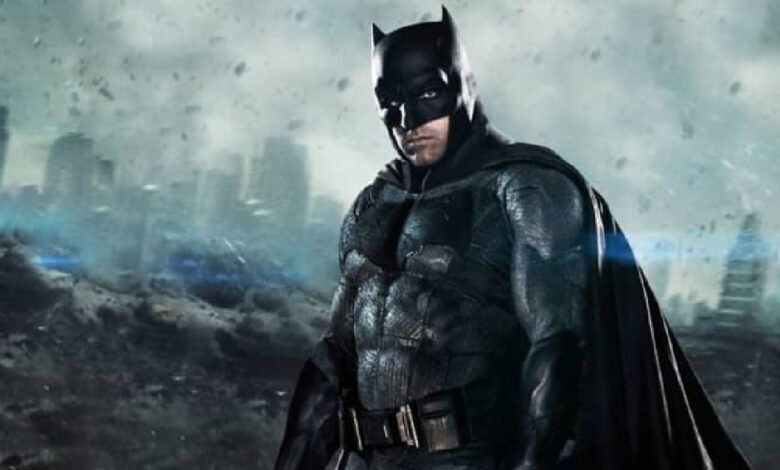
Buutman is a digital persona that blends online art, gaming culture, humor, and internet memes into a recognizable identity across multiple platforms. The name appears in communities such as DeviantArt, YouTube, Twitter, and gaming forums, where fans share artwork, videos, and jokes inspired by the character. In simple terms, Buutman represents a community-driven internet figure shaped by creativity, participation, and evolving digital culture.
Introduction
Buutman is one of many fascinating digital personas that have emerged in the modern internet era. The internet has made it possible for individuals, characters, and usernames to grow into recognizable identities through creativity, community engagement, and shared online experiences. Unlike traditional celebrities, digital personas often develop organically through interactions between creators and audiences.
Over the past two decades, platforms such as DeviantArt, YouTube, Twitter, and gaming forums have allowed unique online characters to appear and gain attention. Some begin as simple usernames, while others grow into symbols of humor, art, or gaming culture. When users repeatedly encounter these names across different communities, curiosity grows, and people start asking questions like, “Who is Buutman?”
Buutman represents this modern phenomenon perfectly. The name has appeared in digital art communities, gaming content, social media discussions, and meme culture. Fans encounter the persona through artwork, gaming clips, humorous posts, and collaborative content created by different users. As the internet encourages participation and creativity, characters like Buutman become shared digital identities shaped by many contributors rather than a single creator.
This article explores Buutman in depth by examining its origins, its presence across online platforms, the role of community participation, its connection to meme culture, and the future potential of this intriguing digital persona.
The Origins of Buutman in Online Culture
The true origins of Buutman remain somewhat mysterious, which adds to the intrigue surrounding the name. Unlike traditional online creators who launch channels or brands with clear introductions, Buutman appears to have developed gradually within digital communities. Early traces of the character can be found in online art platforms and discussion spaces where usernames and creative ideas often evolve into recognizable identities.
One of the earliest signs of Buutman’s presence appeared within DeviantArt communities. Digital artists began creating fan art based on the name “The Buut Man,” interpreting it in their own artistic styles. These artworks helped transform Buutman from a simple username into a visual character that people could recognize. Artists experimented with different designs, humorous concepts, and imaginative scenes that portrayed the character in unique ways.
The name itself plays an important role in its popularity. Unusual usernames often spark curiosity because they are easy to remember and stand out in crowded digital spaces. When users encounter a distinctive name like Buutman multiple times across different platforms, it naturally attracts attention and encourages people to investigate its meaning or background.
Another reason Buutman gained attention is the organic nature of its growth. There was no official launch, company marketing campaign, or structured storyline behind it. Instead, the persona evolved through community interaction. Fans, artists, gamers, and social media users all contributed to the development of the character. This type of community-driven evolution is common in internet culture, where ideas spread naturally through participation and creativity.
Buutman’s Presence Across Multiple Online Platforms
One of the reasons Buutman stands out as a digital persona is its presence across several different platforms. Rather than existing in a single space, the character appears in multiple communities that each highlight different aspects of its identity.
DeviantArt played a major role in shaping the early artistic identity of Buutman. Artists on the platform often reinterpret characters and concepts in creative ways, and Buutman became an interesting subject for visual experimentation. Fan art, illustrations, and character designs helped establish a visual identity for the persona. Each artist contributed a unique interpretation, turning Buutman into a shared artistic symbol within the community.
YouTube introduced another dimension to the persona through video content. Some channels connected to the name Buutman feature gaming clips, edited videos, or humorous compilations. Video platforms allow creators to combine visuals, sound, and storytelling, which makes them ideal for expanding a character’s personality. Gaming videos and meme edits associated with Buutman helped connect the persona with online entertainment culture.
Twitter offers a different kind of interaction. The platform focuses on short posts, quick conversations, and meme sharing. Accounts associated with Buutman often share humorous posts, commentary, or interactions with other users. This environment allows the persona to develop a recognizable voice while engaging directly with followers.
Buutman also appears in gaming forums and fan communities, including spaces related to science fiction and gaming culture. Forums are often places where users share ideas, discuss games, and participate in collaborative storytelling. Within these environments, Buutman acts as a connecting point for people who share interests in gaming, art, and internet humor.
The Artistic Identity of Buutman
Art has always been an important part of Buutman’s identity. The character gained much of its early recognition through digital illustrations created by members of online art communities. Artists interpreted Buutman in many different ways, ranging from humorous cartoon figures to more detailed character designs.
Digital art platforms allow creators to experiment freely with style and storytelling. Because Buutman does not have a fixed official design, artists can imagine the character in many forms. Some portray it as a playful mascot-like figure, while others create more complex or abstract representations. This flexibility gives artists the freedom to explore their creativity without strict limitations.
Another important element of Buutman’s artistic identity is the collaborative nature of its development. Unlike fictional characters owned by companies, Buutman is shaped by many creators rather than a single authority. Each artist adds new ideas to the character’s visual identity. Over time, these contributions build a collective image that reflects the creativity of the entire community.
This collaborative storytelling approach is common in modern internet culture. Online communities often enjoy participating in shared creative projects where everyone can contribute ideas. Buutman became a perfect example of this process, as artists, fans, and creators all played roles in shaping its identity.
Buutman and Internet Meme Culture
Meme culture is another important reason Buutman gained recognition online. Memes are a major part of internet communication, allowing users to share humor, commentary, and creative ideas quickly. Because Buutman has a memorable name and flexible identity, it easily fits into the meme ecosystem.
Memes related to Buutman often appear on platforms such as Twitter, gaming forums, and video-sharing websites. These memes may involve humorous images, edited videos, or playful references to gaming culture. The character’s unusual name makes it easy to use in jokes or creative content.
Modern internet humor often relies on absurd or unexpected ideas, and Buutman fits well into this style. The name itself sounds playful and slightly mysterious, which makes it perfect for humorous contexts. When users create memes featuring Buutman, they contribute to the character’s growth and visibility.
The spread of memes also shows how quickly internet culture evolves. A simple idea can travel across platforms within hours, reaching audiences around the world. Buutman’s connection to meme culture helped the persona expand beyond its original art community and reach wider digital audiences.
Why Buutman Attracts Online Followers
Several factors explain why people are drawn to Buutman as a digital persona. One of the most important is the uniqueness of the name itself. A memorable and unusual username naturally sparks curiosity, encouraging people to learn more about the character behind it.
Another reason is Buutman’s cross-platform presence. Users may first encounter the persona through art, then later see it in gaming videos or social media posts. This multi-platform exposure allows the character to reach audiences with different interests.
Community interaction also plays a major role. Buutman’s identity is shaped by participation from artists, gamers, and fans who create content inspired by the character. This collaborative environment helps followers feel connected to the persona and encourages them to contribute their own ideas.
Authenticity is another important factor. Many internet users today prefer content that feels natural and creative rather than highly polished or corporate. Buutman’s playful and community-driven nature gives it an authentic quality that resonates with audiences.
The Role of Community in Shaping Buutman
Community participation is central to Buutman’s development as a digital persona. Unlike characters created by companies, Buutman evolved through contributions from many individuals across different online platforms.
Fan art is one of the most visible examples of this participation. Artists on platforms like DeviantArt create illustrations that interpret the character in unique ways. Each piece of artwork adds another layer to Buutman’s visual identity.
Meme creation also contributes to the character’s growth. Users adapt the name or character concept into jokes, images, and videos that spread across social media. These memes help introduce Buutman to new audiences.
Shared storytelling is another important aspect. In gaming communities and forums, users often build fictional narratives or humorous scenarios involving the character. This collaborative creativity allows the persona to evolve continuously.
Because of this community involvement, Buutman does not have a single fixed narrative. Instead, it represents a flexible identity shaped by the collective imagination of online communities.
Challenges Buutman Faces in the Online World
Despite its interesting identity, Buutman also faces challenges common to many digital personas. One challenge is limited mainstream visibility. Because the character developed primarily within niche communities, many internet users may not yet be familiar with it.
Platform algorithms present another obstacle. Websites such as YouTube and Twitter often promote content from large creators with established audiences. Smaller or community-driven identities like Buutman can struggle to gain widespread visibility.
Content consistency is also important for growth. Many successful digital creators maintain regular posting schedules that keep audiences engaged. Because Buutman’s presence is spread across different platforms and contributors, maintaining consistent activity can be difficult.
Opportunities for Buutman’s Future Growth
Despite these challenges, Buutman also has many opportunities for growth. One possibility is expanding into livestreaming and gaming streams. Live content allows creators to interact directly with audiences, which could strengthen the community around the persona.
Art showcases and digital galleries could also highlight the creative contributions of fans. Because Buutman has strong roots in visual art, showcasing community artwork could help build a stronger identity.
Collaborations with other creators offer another opportunity. Artists, gamers, and content creators often expand their reach by working together on shared projects. Such collaborations could introduce Buutman to new audiences.
Branding opportunities may also emerge if the persona continues to grow. Merchandise such as artwork prints, digital collectibles, or meme-themed designs could allow fans to support the character while strengthening its identity.
The Cultural Significance of Buutman in Internet Creativity
Buutman represents several important trends in modern internet culture. One of these trends is the rise of digital identities that are created and shaped by communities rather than traditional media companies.
The character also reflects the evolution of meme culture. Memes have become a powerful form of communication that blends humor, creativity, and cultural commentary. Buutman’s connection to memes shows how digital personas can thrive within this environment.
Participatory internet culture is another important factor. Online platforms encourage users to create and share their own content, which leads to collaborative storytelling and creative experimentation. Buutman exists within this participatory ecosystem, where ideas evolve through community involvement.
The Future of Buutman in Digital Communities
Looking ahead, Buutman has the potential to grow into a well-known cult internet character. By continuing to appear across platforms and encouraging community creativity, the persona can expand its influence.
Gaming streams, animated videos, and collaborative storytelling projects could help develop a stronger narrative around the character. As new fans discover the persona, the community surrounding it may continue to expand.
The future of Buutman ultimately depends on creativity and participation. As long as artists, gamers, and internet users continue contributing ideas, the character will remain part of the evolving landscape of online culture.
Key Facts About Buutman
-
Buutman is a multi-platform digital persona found across several online communities.
-
The character first appeared within online art communities such as DeviantArt.
-
Buutman is known for connections to memes, humor, gaming culture, and creative expression.
-
Community participation helped shape the identity of the character over time.
-
The persona appears across platforms, including DeviantArt, YouTube, Twitter, and gaming forums.
Final Thoughts
Buutman represents a fascinating example of how internet culture creates and shapes digital identities. Through art, memes, gaming content, and community participation, the character has developed into a recognizable persona across several online platforms.
Rather than being controlled by a single creator, Buutman reflects the collaborative spirit of the internet. Artists, gamers, and fans all contribute to its evolution, making it a shared cultural symbol within digital communities.
As internet culture continues to evolve, characters like Buutman highlight the power of creativity, humor, and community engagement. They remind us that the online world is not only a place for information but also a space where imagination and collaboration can create entirely new digital identities.
FAQs
1. Who is Buutman?
Buutman is a digital persona known for blending online art, humor, gaming culture, and internet memes. The name appears across platforms such as DeviantArt, YouTube, Twitter, and gaming forums, where fans share creative content and discussions inspired by the character.
2. Where did Buutman originate?
Buutman first gained attention in online art communities, especially on DeviantArt, where artists created fan art and creative interpretations of the character. Over time, the name spread to other platforms like YouTube and Twitter.
3. Is Buutman a real person or a fictional character?
Buutman is generally seen as a digital persona rather than a single identifiable person. The identity is shaped by community participation, fan art, memes, and shared creativity across different online platforms.
4. What type of content is associated with Buutman?
Content related to Buutman often includes digital artwork, gaming videos, memes, humorous posts, and discussions in online communities. The character appears in various creative formats depending on the platform.
5. Why is Buutman becoming popular online?
Buutman is gaining attention because of its unique name, creative community involvement, and connection to meme culture and gaming communities. The mix of art, humor, and online interaction makes the persona interesting to many internet users.