
Dorothy Bowles Ford is an influential yet very private figure whose life has quietly shaped one of Tennessee’s most important political families. As the former wife of Congressman Harold Ford Sr. and the mother of former U.S. Representative Harold Ford Jr., she played a central role in supporting a family deeply involved in public service. Raised in Memphis during a time of major civil rights struggles, Dorothy developed a strong commitment to justice, community service, and economic fairness, values she later passed on to her children.
Although she never sought public attention, her guidance, work ethic, and belief in education helped shape her sons’ character and ambitions, making her an important influence behind the Ford family’s long-lasting impact on American politics and social progress.
Quick Bio
| Attribute | Details |
|---|---|
| Full Name | Dorothy Bowles Ford |
| Birthplace | Memphis, Tennessee, USA |
| Estimated Birth Year | 1940s–early 1950s (Exact date not publicly known) |
| Nationality | American |
| Ethnicity | African American |
| Known For | Mother of former U.S. Congressman Harold Ford Jr.; community advocate; member of the Ford political family |
| Profession | Consumer Coordinator and Functions Regulator |
| Workplace | Potomac Electric Power Company (PEPCO) |
| Marital Status | Divorced (Formerly married to Harold Eugene Ford Sr.) |
| Children | Harold Ford Jr., John Newton Ford, Sir Isaac Ford |
| Community Work | Civil rights involvement, local service projects, community advocacy |
| Awards/Recognition | Various honors for civil rights and community service (details not publicly listed) |
| Public Image | Private, modest, respected for her values and contributions |
| Legacy | Strong influence on the Ford family’s political and community leadership |
Early Life and Background in Memphis
Dorothy Bowles Ford was born and raised in Memphis, Tennessee, a city marked by deep social struggles, racial inequality, and the rise of powerful civil rights movements. Growing up in a predominantly African American community, she witnessed both the hardships and the strength of her people during a time when Memphis was at the center of major racial and political change.
The environment around her—shaped by activism, community organizing, and constant fights for equality—helped form her values of justice, responsibility, and service to others. Living in Memphis during the era of Dr. Martin Luther King Jr., the sanitation workers’ strike, and growing demands for equal rights made Dorothy aware of the importance of unity and leadership. These early influences later guided her work in the community and shaped the way she raised her children, encouraging them to value education, fairness, and community involvement.
Family Heritage, Cultural Environment, and Formative Influences
Dorothy grew up in a cultural environment that placed strong emphasis on family loyalty, discipline, and collective progress. Her family heritage, though not publicly documented in detail, was rooted in traditions of resilience, respect, and faith—values that were common in many Black families in the American South during the mid-20th century. Her community encouraged education as a path to opportunity and believed deeply in helping one another through difficult times.
These shared cultural values taught Dorothy responsibility, patience, and the importance of civic engagement. As she matured, these early lessons shaped her sense of duty toward her community and deeply informed her belief in justice, equality, and the power of public service.
Age and Personal Profile
Dorothy Bowles Ford’s exact age is not publicly known, but based on available information—especially the fact that her eldest son, Harold Ford Jr., was born in 1970—she is likely to have been born in the 1940s or early 1950s. This places her in her 70s or 80s today. The limited documentation about her birth and early years reflects her lifelong preference for privacy and her choice to stay out of the spotlight despite her connection to a prominent political family.
Her generational experiences, shaped by the civil rights era, early desegregation efforts, and major cultural shifts in American society, helped form a worldview centered on fairness, perseverance, and community responsibility.
Education and Intellectual Foundations
While detailed records of Dorothy’s formal education are not available, it is clear that she valued learning, discipline, and critical thinking. Growing up in a period where educational opportunities for African Americans were often limited, she understood the importance of knowledge as a tool for empowerment and stability. These beliefs strongly influenced her household, where she encouraged her children to excel academically, think independently, and develop strong moral principles.
Her emphasis on education played a major role in shaping the future of her sons, especially Harold Ford Jr., who would eventually attend prestigious schools and enter national politics. Dorothy’s intellectual foundation created a home environment built on structure, curiosity, and respect for personal growth.
Professional Career at Potomac Electric Power Company
Dorothy’s career at Potomac Electric Power Company showed her dedication to leadership and public responsibility. Working as a consumer coordinator and functions regulator, she served as a bridge between the company and the customers it served, helping resolve issues, ensure regulatory compliance, and improve service standards. These roles required strong communication skills, technical understanding, and the ability to handle challenging situations with calmness and fairness.
At a time when African American women faced many barriers in professional settings, Dorothy stood out as a trailblazer who earned respect through her work ethic and problem-solving abilities. Her career helped strengthen her natural leadership qualities and deepened her commitment to community service, values that later influenced her entire family.
Relationship And Marriage to Harold Eugene Ford Sr.

Dorothy married Harold Eugene Ford Sr., who would go on to become one of Tennessee’s most influential political figures. Their marriage brought together two people who shared values of public service, family responsibility, and dedication to their community. During their years together, Dorothy played a major role in supporting her husband’s political career, managing the household, and ensuring stability while he served long terms in Congress.
She handled many responsibilities behind the scenes, helping maintain balance during a demanding political schedule. Even after their eventual divorce, the respect between them and the shared commitment to their children remained evident. Dorothy continued using the Ford surname, reflecting her connection to the family’s legacy and the important role she played in shaping their future.
Details About Harold Eugene Ford Sr.
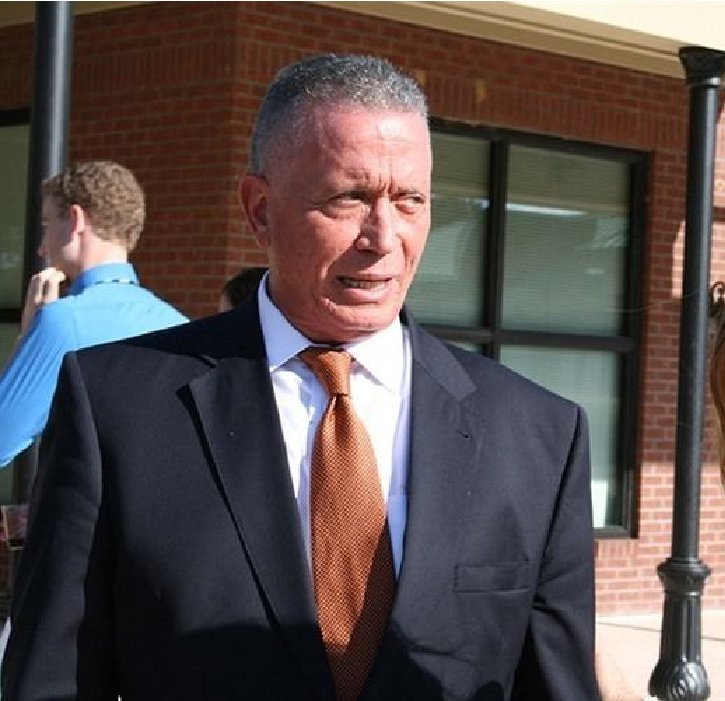
Harold Eugene Ford Sr. was a groundbreaking political leader who became one of the first African American members of Congress from Tennessee in the 20th century. Serving from 1975 to 1997, he focused on issues such as civil rights, education, economic development, and healthcare reform. His public life brought visibility, responsibility, and pressure to the Ford family, shaping the environment in which Dorothy raised their children.
His success was supported by Dorothy’s steady presence at home, where she balanced family life and community responsibilities. Their partnership created a strong foundation for the next generation, especially for their eldest son, Harold Ford Jr., who followed in his father’s footsteps.
Children of Dorothy Bowles Ford
Dorothy and Harold Sr. had three sons: Harold Ford Jr., John Newton Ford, and Sir Isaac Ford. Each child grew up in a household that valued education, public service, and discipline. Dorothy played a central role in guiding their character development, teaching them kindness, resilience, and responsibility. Harold Ford Jr. became a U.S. Congressman representing Tennessee’s 9th district, while John Newton and Sir Isaac contributed to the family’s ongoing political and community involvement in more private ways. Dorothy’s nurturing, structure, and emotional support helped shape each of her children into thoughtful and grounded individuals.
Dorothy’s Influence on Harold Ford Jr.
Dorothy had a powerful impact on her eldest son, Harold Ford Jr., who often credits his mother for shaping his values and work ethic. She taught him the importance of fairness, humility, public service, and treating others with respect. Her quiet strength helped him stay focused as he entered the challenging world of politics. The principles she instilled—community responsibility, resilience, and balanced judgment—became evident throughout his career in Congress. Dorothy’s influence can be seen in his moderate political stance, his ability to connect with people across different backgrounds, and his continued commitment to serving the public.
Role in Civil Rights and Community Advocacy
Dorothy was active in civil rights initiatives and community improvement efforts throughout her life. She participated in programs aimed at promoting equality, strengthening economic opportunities, and improving conditions for African Americans in Memphis and beyond. Her work included organizing community events, supporting educational programs, and taking part in service projects that helped strengthen families and neighborhoods. She received recognition for her contributions, reflecting the respect she earned as a community advocate. Her activism inspired her children and others around her, reinforcing her belief that every person should help build a better society.
Public Image and Personal Appearance
Dorothy Bowles Ford has always maintained a low public profile, which is why there are very few photos or public details about her appearance. She avoids unnecessary attention and prefers a private, peaceful life focused on family and community. From the rare images available, she appears poised, warm, and graceful, reflecting her calm and kind personality. Her public image is defined not by how she looks, but by her integrity, her contributions, and the respect she has earned from those who know her.
Personality Traits and Character Overview
Dorothy is known for her intelligence, inner strength, and steady resilience. She is compassionate and caring, yet firm when needed. She has strong leadership skills, excellent organizational habits, and a nurturing approach that guided both her family and her community involvement. Her dedication to justice, fairness, and family has shaped her life’s work and left a lasting mark on those around her. These traits made her a stabilizing force in the Ford household and a respected presence in the community.
Net Worth, Financial Background, and Misconceptions
Dorothy Bowles Ford’s net worth is not publicly recorded because she has always kept her financial life private and away from public attention. Many assumptions made online are often inaccurate or based on her association with a prominent political family. Her true legacy is not measured in wealth but in the values she instilled, the lives she improved, and the contributions she made to her community. Her influence comes from dedication and heart, not material status.
Legacy and Long-Term Impact on the Ford Family and Community
Dorothy’s lasting impact can be seen in the achievements and character of her children, especially Harold Ford Jr., whose political career reflects the values she taught him. Her commitment to education, fairness, and community service helped build the foundation for the Ford family’s continued leadership in Tennessee and national politics. Beyond her family, Dorothy’s work in civil rights and community activism helped strengthen her community and inspired others to get involved. Her influence continues through the people she mentored, supported, and encouraged throughout her life.
Conclusion
Dorothy Bowles Ford’s life shows the powerful influence of a quiet and determined woman who shaped her family, her community, and a major political legacy. As a mother, professional, and activist, she provided the strength and guidance that supported generations of leadership. Her story reminds us that many of the most important contributions in history are made by those who work behind the scenes, building strong foundations for others to succeed. Dorothy’s legacy continues through her children, her community work, and the values she lived every day.
FAQs About Dorothy Bowles Ford
1. Who is Dorothy Bowles Ford?
Dorothy Bowles Ford is a respected community advocate and the former wife of Congressman Harold Ford Sr. She is best known as the mother of Harold Ford Jr., a former U.S. Representative. Her influence helped shape the Ford family’s strong commitment to public service and civic responsibility.
2. What was Dorothy Bowles Ford’s professional role?
She worked as a consumer coordinator and functions regulator at Potomac Electric Power Company. Her job required balancing regulatory needs with customer service improvements. Dorothy’s leadership made her a valued contributor and a trailblazer for African American women in corporate settings.
3. How did Dorothy influence Harold Ford Jr.’s political career?
Dorothy taught her son the importance of fairness, education, and service to others. She provided emotional guidance and stability during his early years and political rise. Many of Harold Jr.’s values and leadership qualities reflect her life lessons and example.
4. How many children does Dorothy Bowles Ford have?
Dorothy is the mother of three sons: Harold Ford Jr., John Newton Ford, and Sir Isaac Ford. Each was raised with strong values of responsibility and respect. Her steady parenting helped shape their personal and professional paths.
5. Was Dorothy involved in civil rights and community activism?
Yes, Dorothy participated in various civil rights initiatives and local community programs. She supported events that promoted equality, education, and economic progress. Her work earned her recognition and respect within her community.
6. Why is so little information available about Dorothy Bowles Ford?
Dorothy has always preferred living a private and quiet life outside public attention. Despite her connection to a political family, she rarely appeared in the media. Her privacy reflects her belief in focusing on service rather than the spotlight.
7. Is Dorothy Bowles Ford still connected to the Ford political legacy?
Yes, her influence continues through her children, especially Harold Ford Jr., whose career reflects her teachings. Dorothy’s values shaped the family’s long-standing commitment to public leadership. Even in privacy, she remains an important part of the Ford legacy.
8. What is Dorothy Bowles Ford’s lasting legacy?
Her legacy lies in her strong principles, community service, and dedication to family. She helped build the foundation for one of Tennessee’s most influential political families. Dorothy’s quiet leadership continues to inspire those who know her story.
Who Is Gary Phillip Spector? The Untold Story of Phil Spector’s Adopted Son